Civil Nuclear Constabulary
Featured
The CNC hosted the latest NBPA meeting at its Griffin Park tactical training centre, in Cumbria.

This week (Monday 4 – Sunday 10 March) marks the first ever Police Staff Week of Celebration and Recognition.

Angiolini Inquiry
News story
Response from Chief Constable Chesterman to today’s Angiolini Inquiry Report
The CNC is proud to announce during National Apprenticeship Week that apprenticeships are coming to the CNC.
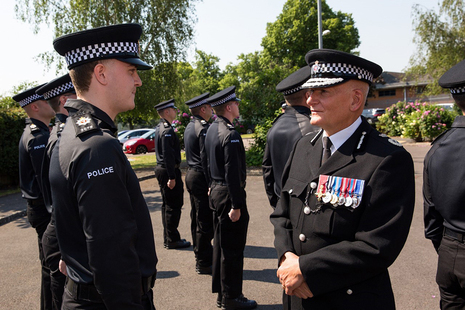
Her Royal Highness met T/ACC Michael Vance and members of CNC’s Strategic Escort Group during a visit to Nuclear Transport Solutions’ marine terminal.

Staff and officers from the Civil Nuclear Constabulary (CNC) successfully concluded another work experience for Lakes College students.

Latest from Civil Nuclear Constabulary
What we do
The Civil Nuclear Constabulary (CNC) is the armed police force in charge of protecting civil nuclear sites and nuclear materials in England and Scotland.
CNC is part of the Civil Nuclear Police Authority.
Follow us
Documents
Transparency and freedom of information releases
Our management





Contact CNC
CNC headquarters
F6 Culham Science Centre
Abingdon
Oxfordshire
OX14 3DB
United Kingdom
General enquiries
03303 135400
Monday to Friday 8.30am to 4.30pm
Recruitment enquiries
Telephone
03303 135401
Monday to Friday 8.30am to 4.30pm
Press enquiries
Office hours
03303 135572
Out of office hours
07921 944382
The opening hours of the press office are 8am to 5pm, Monday to Friday. If it is outside of these times and your query can't wait until the following day, please call the out of hours number.
Emergency contact
To report suspicious activity or an incident, call 101. If a crime is in progress or there is a risk to life, call 999
Call the police anti-terrorist hotline on 0800 789 321 to report any threats to national security
Make a complaint
Civil Nuclear Constabulary
Culham Science Centre
Abingdon
Oxfordshire
OX14 3DB
United Kingdom
If you have a complaint about the Civil Nuclear Constabulary please visit our complaints page or email us
Make an FOI request
- Read about the Freedom of Information (FOI) Act and how to make a request.
- Check our previous releases to see if we’ve already answered your question.
- Make a new request by contacting us using the details below.
Make an FOI request
Civil Nuclear Constabulary
F6 Culham Science Centre
Abingdon
Oxfordshire
OX14 3DB
United Kingdom
Please note, the CNC is a specialist national infrastructure police force responsible for protecting nuclear power stations and material and as such does not investigate crime, routinely make arrests or deal with missing people cases. Please do not submit FOI requests of this nature to the CNC as they will generally have a nil response.
Corporate information
Jobs and contracts
Read about the types of information we routinely publish in our Publication scheme. Find out about our commitment to publishing in Welsh. Our Personal information charter explains how we treat your personal information.